チーム「Link∞UP」は日本と北米の‘愉快で有益な’「マウンテンライフ」情報を日本と英語圏において共有をすること。 その生活を‘一生懸命楽しんでいる人達’のコネクション強化を図ることを目的に活動しています。 日本や北米でのマウンテンライフについて情報の欲しい方や私達に興味のある方はお気軽にご連絡下さい。

ラベル ACMG の投稿を表示しています。 すべての投稿を表示

2024年1月15日月曜日

カナダのヘリスキーのガイドトレーニング


明けましておめでとうございます。
谷です。
昨年末にCMH(カナディアン・マウンテン・ホリデイズ)のシーズンインのためのトレーニングを4日間で受けてきました。

内容としては雪崩救助、ファーストエイド、ロープレスキューのアップデート。パウダースキーの教え方。ゲスト、同僚へのコミニケーション。メンタルヘルス(ストレスのコントロール仕方)。スキーのビンディングの調整するための資格講習。エアバックの取り扱い方。会社のポリシー、仕事の仕方の再確認。過去の雪崩事故のケーススタディ。野生動物、自然保護への取り組み。先住民のコミニティとの連携。地球温暖化防止の為のカーボンニュートラルへの取り組み等、正直頭がパンパンになる感じだが、毎年こういうトレーニングを給料が出て受けられるというのは本当にありがたいことだと思います。

ちなみにこの会社は世界で初めてヘリスキーを始めた会社であり、世界最大の山岳ガイド会社(一企業でガイド協会とか組合ではない)でもあります。

ガイドの総勢は150人以上、ヘリスキーのための12個の山域と山小屋(一つ一つの山域が大体日本の立山劔くらいの広さ)から成り立っています。また山小屋のスタッフや事務所のスタッフなどを入れれば総勢500人近くなると言われています。

また同じ国際ガイドやACMGスキーガイドと共に仕事する(所属する山小屋によって違いが毎回7−10人)というのはガイド業界では世界を見ても極めて少なく、ガイド=お山の大将(自分の意見が通らないことない)、というのは全く違う話なのです。


搬送訓練。滑る斜面が崖やクレバスなどが地形の危険度が高いのでビレイが必要なことが多い。やっていることはスキーパトロールの上級職みたいな感じ。


たくさんのガイド同士で仕事するというのはある意味日々のガイディングが毎日試験を受けているようなストレスを感じることもあり、お客だけでなく同僚(プロ)評価を下されるわけでこれ以上ないほど成長できる場所と思う。

なぜなら山岳ガイドというものを考えると常に自分より弱いゲストを連れており、仕事しているのは自分のみのことが多い。何か同レベルの人から指摘されることは少ないし、技術をアップデートするにも自分で求めなければ年に数回だけとかになる傾向にあり、自分より知識があったり、技術的に優れていたり、身体的にすごい人と一緒にいる時間があまりにも少ないというのが個人的な意見である。


シートを外してのヘリに実際に傷病者を乗せるトレーニング。ここでは自分たちが救助隊でもある。


今回受けてみて興味深かったのはやはりメンタルヘルスやコミニケーションの講習で、いかにチームを動かしていくかということとそれに伴うストレスへの向き合い方、自分の向き不向きへの考え方などとても勉強になった。


無数の山々と斜面があるカナダ、その一つ一つが地形や雪のコンディションが違うため、ゲストを連れて滑る前にチェックが必要なことが多い。


リードガイド(チームを率いていくガイドのこと、僕がいるエリアは10人の山岳ガイドからなる)になるためにはスキーがある程度上手くなければガイドできない上、技術的に優れていなければ同僚は認めてくれない。雪崩や救助の知識も高くなければ仲間が信じてくれない現象が起こり、チームを率いていくのは難しい。つまりまずプレイヤーとしてしっかりしていることが大前提。

さらに自分が新人や中堅のガイドを率いてガイディングを行い、指示を出し、教え、時に口論し、いいもの(いいガイディング)を作り上げていく。さらにここにはパイロットと整備士(別にとても山が好きではない人たち)との信頼関係も必要だし、山小屋のスタッフとも助け合って一つの商品を作って遺わけで人間的に成熟していないとできない。

さらにこれに通常のガイド(自分が受け持つグループのゲストのことも楽しませて行かなければならないわけで)あり非常に山岳ガイドとして高度な部類に入るといえよう。

つまり監督業とプレイヤーを両方やらなければいけないというかできる人のみがこの地位に上がっていくのだと感じた。

第二言語でこれをするのは僕個人は99%不可能であり、割り切ってプレイヤーに徹した方が、他のガイドよりもクライミングや山が強いガイドとして評価され、居場所がある感じがする。こういう自分の向いていること、向いていないことを把握するのはとてもいいトレーニングだった。

また同じプロである他のガイドを使って、色々なことをするのは非常に難しいのとストレスを感じるというのがわかったことが収穫だったであろう。そしてこの二つができれば、ガイドの試験官や山岳救助隊の隊員をカナダでなれるかもしれないなという部分も見えてきた。


室内での講習。今回のプレゼンターはカナダ・スキーのナショナルトレーナーの一人。

どのようなタイプのストレスを自分が今被っているか理解することもとても重要だという。なぜならストレスは人を成長させる要因でもあるから。


総括するとチームで仕事することはまた違うチャレンジがあり、そのための能力を必要とする。もちろんカナダにもチームワークに向いていない人はいてそういう人は個々で仕事をしているがこうしてチームで仕事ができる環境もあり、選べるのはとてもいいことだと考える。

世界を見ても日本人でヘリスキーのガイドができるのは約10人程度(テールガイドじゃない)。その中でさらにリードガイドとなればわずか数人わけで、正直限られた人間しかできない世界なわけです。(ちなみにCMHの歴史上、日本人ガイドはたった2人のみ、昔日本人がお客さんとしてたくさんヘリスキーにカナダに来ていた時にガイドになる日本人がいればまた違った形もあったんでしょうが今となっては後の祭り。)

世界中のお客さんをカナダとヨーロッパのプロガイドたちを使って仕事するなんてめちゃくちゃクールなこと。そしてこれが世界中での夏のガイドやクライミングにもつながってると思うとすごい世界ですねやっぱり。

選手権監督を第二言語でできれば、山岳ガイドだけでなくもっとできることが広がるはずだし、日本の若い人たちにはもっとこういう本場で勝負してもらいたいと思う。


2019年2月20日水曜日

Back number Vol.160 Recap of the 2019 Ski Tours in Japan

This story was written by Yuji Akiyama
                                                                                  Translated by Yumiko Mori

Although as most of you already have known that I am working as a Guide based out of the Canadian Rockies, recent increasing popularity of "Japow" -Japanese powder snow-has been kept me busy in carrying out a couple of Japan tours. Usually it starts from the middle of January.This post is for some of you who are interested in the behind the scenes of those tours.


●Tour A
Period: Jan 21st to 28th (8 Days)
Location :  4nights in Hakuba and three 3 nights at Nakanoyu at Kamikouchi
Guests : 8(4 Canadians and 4 Americans) All skiers
Course:   Wakakuri Ridge, Mt.Hiyodori from Tsugaike Kougen,Kamijyou,Mt. Oonagi, south and north face of Mt Abou,Mt. Yake to Kamikouchi via Nakahorizawa

Conclusions :
To my surprise, Hakuba had significantly less amount of snow in this year and this had made me worried up until the begging of the tour. Fortunately two days before our trip started they got 40cm of fresh snow to start and then 60cm,30cm and 20 cm respectively for the following days.  Also all the participants for this tour are all experienced skiers so we didn't have any problems due to the skill discrepancies.


●Tour B
Period :  Jan 29th to Feb 5th (8Days)
Locations : 4 nights in Hakuba and 3 nights Nakanoyu at Kamikouchi
Guests : 8(3 British, 2 Swiss, 3 Belgian)

Course:North of Cortina, Traverse from Tsugaike Kougen to Norikura Ski Resort via Mt.Hiyodori,  Happou Ridge, Mt. Oonagi, North face of Mt. Abou and Sightseeing at Hida-Takayama(Due to the down pouring rain at the mountains)

Conclusions : Since we just successfully completed previous tour that was blessed with heaps of powder snow, our team went on the second tour with a great deal of confidence. However we were welcomed by a much warmer weather at Hakuba this time and realized that this had changed the quality of the snow into more damp one. It was like creamy textured power rather than the light and deep powder that I expected like the initial tour.  I know this might be inevitable situation especially in Japan. We experience tons of snow all the time during the winter, the quality of those fresh snow wouldn't remain for such a long time. Luckily the frequent snow often pile up on those old ones and refreshes but within a nice and warm day the quality of the snow changes drastically.

Piled up snow on the sides of the street 
Introducing members of the tour A
Sneak peek of a Japanese Inn's room
Shirouma Inn at Shirouma

An hour of Becon lesson on the first day of the tour 
Powderrrrr!!!!!
Leaving Hakuba for Kamikouchi 
Used two cars, one if for guests and the other is for the luggage 
Lunch at a Soba noodle restaurant
Japanese full course meals everyday 
Beautiful tranquility in Japanese forests 
After dropping guests at Matsumoto, two Guides enjoyed themselves as a tourist
Tour B's meeting
At Mt. Oonagi
Fantastic weather on the day of Wakaguri Traverse
Japanese beech tree soothes you after long days of skiing
We chose this place as a Guide meeting's location 

If you see yourself as an adventurous person, try this Natto- Fermented soy beans

They all bought Japanese Mountaineering Quality Brand "Montbell" Jackets

Went for sightseeing on the last day of the tour (Hida-Takayama)
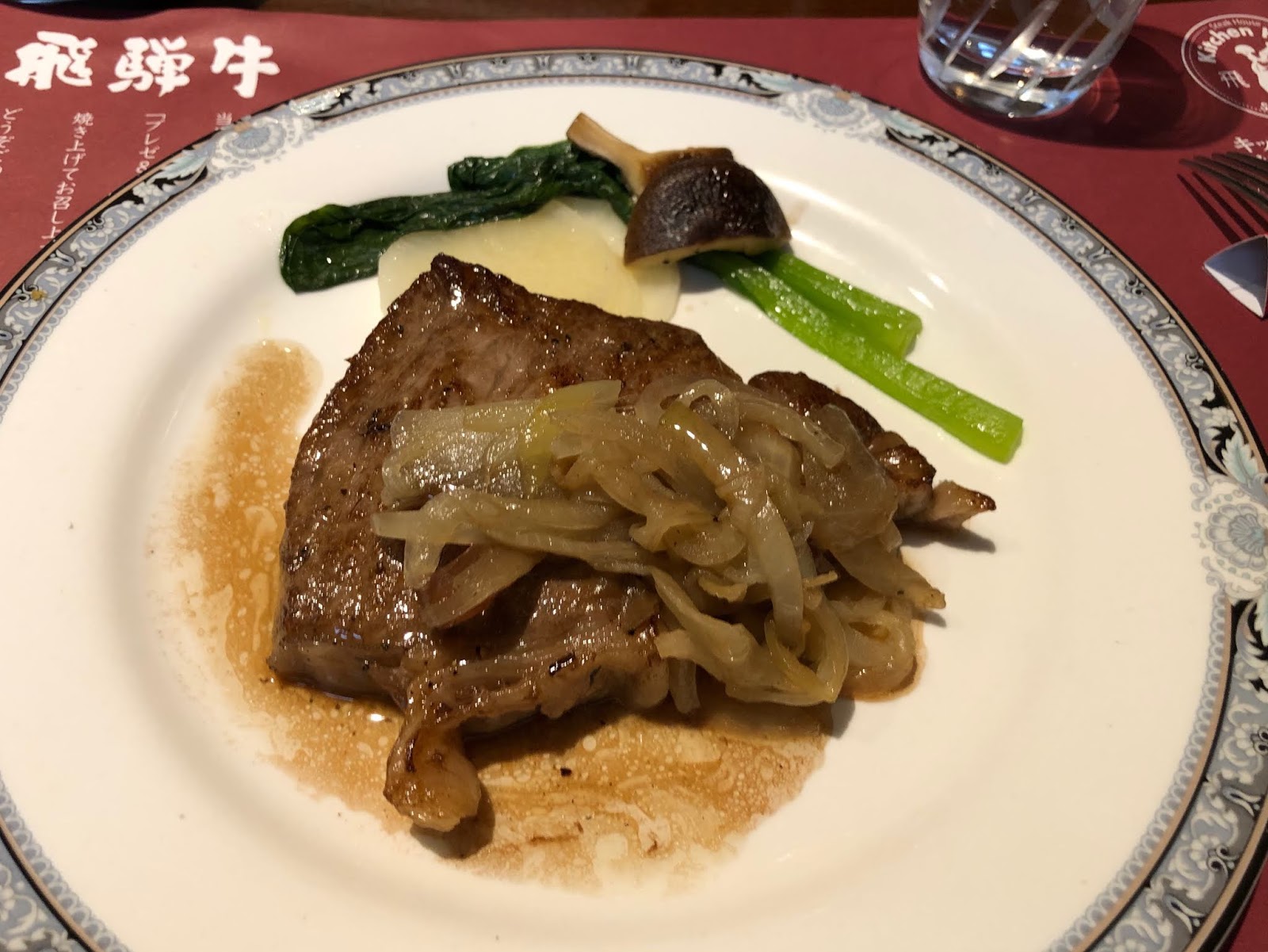
$70 Hidagyu Lunch set
Experimenting on various sakes night after night...

Trying Japanese traditional Inn's house coat 

2018年12月16日日曜日

Back number Vol.150 The truth of Alpine Climbing industry and its future

This story was written by Takeshi Tani
                                                                                                              Translated by Yumiko Mori
Finally with some snow fall in the town of the Rockies just a few days ago, it announced the arrival of the good winter season that many of us are anxiously waiting for.

Already amidst of the full on winter in the mountains, our member Bob and I tried a mix line called Dark Nutue at Lake Louise - Photo above

 Climbing is rapidly gaining popularity in Japan- maybe worldwide as it became a sport that will be competed during the Tokyo 2020 Olympics.
Although various opinions are heard, I definitely believe that having climbing gyms close by gives us great opportunity to boost the craze.
I can't help but feel the sense of envy for people who decided to start climbing at this time. When I started climbing back in Japan many many years ago, the only options were to join Alpine club in the university, community based hard core club or taught by a guide.

I would say last 10 years have shown that rock climbing field opened its door to the public more.

However the opportunities of learning alpine climbing aren't increasing yet or else declining in many countries.
The reasons can be very easy and simple. "Too many uncertain factors that alpine climbing has"
In other words, there are always dangers that you can't control and the high possibility of getting involved in the accident and lead to serious injuries or life threatening experience.


With that being said, popularity of Big Wall free climbing at Yosemite among the top climbers gives the best example in this case.While pushing your limit, you can remove as much uncertainties like avalanches, falling rocks and weather as possible. And even if you got hurt rescue is practically reachable. So there are no doubts that this field has a promise of gaining popularity.

In short, alpine climbing is an activity that you have to accept and manage all of this uncertainty.

Especially when attempting a first ascent, information like snow condition, weather and the affect of the geographical feature that you can get in preparation phase are extremely scarce. Also even minor accident during the attempt like breaking bones can lead to fatal accident.
Scary formula...Breaking bones ⇨Unable to walk⇨frostbite ⇨ hypothermia⇨death
What alpine climbers do is accepting the all possible scenarios and besides finding the best possible line at the edge of your limit.
That's why the sense of accomplishment can't be described in any easy words and makes us to pursue another new line afterwards.

 Nobody wants to lose your life.

Maybe too direct but it's definitely the truth. So if you set your mind and trying to pursue your passion for alpine climbing you will face a huge setback in finding a partner. Furthermore, there are extremely limited opportunity that you can meet someone that you can follow their steps or find any institution that offer a course of pure alpine climbing not to be an Alpine Guide.


Although alpine climbing does contain various factors and you can't entirely rely on your experiences, there is still no doubt that going mountains with experienced alpine climbers provides you with the best lessons.


As I am an Alpine Guide and not an Alpine Climber if you are striving to be an Alpine Climber and took course from a Guide like me, it might not result in meaningful experience. Rather, I would say finding someone who is an Alpine Climber and striving to make effort all the time and trying lines with them would be the best way to enhance your alpine climbing knowledge and skills.

When I was in Japan "Winter Climbers Meeting" was something that is an example of what I just said.This got its idea from UK's "Climbers Meet" and now this meeting took place every year either summer or winter alternatively.

Leading Alpine Climbers from around the world gather and interact with the local climbers.And some find their partners or next project. Sometime this opportunity lead to an amazing results in places like Himalayas.This can be said absolutely great system for aspiring Alpine Climbers.

However in order to participate in this meeting, you need to be at a certain level and it's like representing country in the alpine climbing to attend these meetings.

For people who would like to know how to reach the level, I am going to cover some of other countries approaches in terms of helping new Alpine Climbers improve their skills and abilities.


US/ Alpine Mentors

Term: 2 Years
Fee: Free
Age: It said up until 30 before but I don't see any now
Launched: 2012
Details can be seen via the link above. It's led by a known Alpine Climber and Mountain Guide Steve House.

This year, they are divided into two groups. Surprisingly they hired many Patagonia Ambassadors as an instructor and the field is worldwide. Also this programs yield many first ascents.


Slovenia /Slovenian young alpinists group        *Website not found
Term: 3Years
Fee: Unknown
Age Restriction: Unknown
Launched: 2012
10 young participants are picked from Alpine Association of Slovenia then they chose the objective by themselves. There will be a full support in terms of training, equipment and skills. This tells the strong passion for the Alpinism in Central Europe.


New Zealand/New Zealand Alpine Team
Term: 3Years
Fee: Unknown but I assume it's free
Age:  Between 18-27 
Launched: 2012

It's small group consisting of 3−4 people and they climb and ski everywhere in the world such as Yosemite, Canadian Rockies, Peru, Patagonia and Himalayas to name a few. In the application process there are some trials and looks like trad climbing skills and overall stamina occupy the major part of the criteria to pass the screening. Please refer to the link above for the further details.
 Personally I met one of the teams in the Rockies while doing ice climbing but they are exceptional...
While chatting with them, they told me that the alpine climbing community in New Zealand is also disappearing and they are desperately trying to find solutions to combat the issue and facilitate the growth of new promising alpine climbers.


Austria /Naturfeunde Alpinekader Website not found
Term: 3Years
Fee: Unknown 
Age:   Unknown
Launched 2012
First year started off with sport climbing and then winter mountaineering. From the second year, they began sending members for expeditions. Peru expedition in 2014 is also recorded as their achievement.

All the programs introduced above are launched within last 5-8 years. Sense of crisis for the declining alpine climbing field from each country can be found from this trend.

Other than that, there are Germany, France and Spain but they all took similar system.
France started in 1991, Spain in 1997and Germany in 2000. Most of them are run by its national Alpine Club of each country such as Alpine club of Germany and the programs are generally 2-3 years long. The total of 12 young members consisting of 6 males and females.

Although there are programs run by Alpine Club of Canada called "Leadership Program", to participate, you have to pay the fee and only a couple of one week long courses are currently run throughout a year.
However, there are plenty of scholarship opportunities for mountaineering and avalanche education so there are still some good aspects as well. I would dig deeper specifically about this topic some other time.


Those programs can't necessary cover the whole topics but most programs spent 2-3 years and this means they are gradually getting new young Alpinists ready for their own adventures.Above all, most of them are free and specialize in youth to support the next generation of Alpine Climbers.
Despite the common belief of in order to be stronger and good at it, you need to practice as much as you can and push your limit but in alpine climbing, things doesn't go in that way.

We can all learn from mistakes and like popular saying goes "practice makes perfect" but in alpine climbing even a small mistake can take away your life or serious consequences. So making mistakes often takes away from you doing a second shot.

Especially young people tend to push themselves than they are suppose to be and they do have that vitality to do so. That's why the relationship built through the mentoring system between young aspiring alpine climbers and experienced climbers benefit them significantly.


Just a little bit of off topic, when doing rock climbing, as long as you have solid understandings and skills, pushing your limit can be achieved practically in a easy and safe manner. Also there are plenty of learning opportunities the community like I said at the beginning.  The chance of getting hit by avalanche and falling rocks are significantly lower and even if you break bones the likelihood of dying due to the hypothermia is very slim.

Also the moves on the rocks are extremely fun and you can be creative. This is what makes differences.
Photo above: Crack climbing at Zion

When pushing your limit in the alpine ski field, almost same degrees of danger as alpine climbing accompanies. Even minor mistakes cause avalanche and you can easily lose your life. However, in terms of learning opportunity, ski industry itself has a huge community and popularity. And with the larger amount of the opportunity to be sponsored by companies together with the population of competitive skiers being significantly larger make the industry strong.

                                                                                                                 Photo above: Caribou traverse

Furthermore, in comparison, alpine climbers are always exposed to the dangerous situation whole day or even a couple of days in row but skiers are exposed to the danger less than an hour...

Nonetheless I believe alpine climbing is the very base of mountaineering and in order to reach the peak, you are required to do everything you can, accept and manage all the possible risks and dangers and overcome everything.

I am not expecting sudden blossom of alpine field, but hoping that if we can create a community in which new generation of aspiring climbers can learn and be ready for their alpine climbing.

After researching other countries' programs, I have realized again that it's truly hard to raise new generations of alpine climbers and at the same time I found myself looking for ways to support those programs in my community. To make my dream come true, I need to pursue my own alpine climbing not only my guiding skills to be an Alpine mentor.

Thank you for reading!


2018年6月13日水曜日

Vol.127 ガイドトレーニングデイズ

ロジャースパスにあるマウントタッパー全景

こんにちは。山田トシです。今回は来月頭に控えたアルパインガイド試験のプレコースのためのトレーニングについて書きます。ACMG(カナダ山岳ガイド協会)のアルパインガイドになるには、冬のアイスクライミングコース、次回のアルパインコースそして8月下旬にある本試験全てに合格しなくてはいけません。メンバーの谷はすでにこの資格を持って、ロッキーの山々をガシガシとガイドしています。そんな先輩の背中を見ながらトレーニングに励んでいます。


タッパーの裏側にあるタッパー氷河

タッパーのあるロジャースパスエリアも試験会場の一つ。スキーで世界的に有名なこのエリア、山に登っても最高の場所でした。氷河のある山をガイドできる、これがアルパインガイドの魅力でしょうね。

タッパーのハイウェイ側 正面はマウントマクド―ナルド北壁(標高差1500m)

5月のロッキーはまだまだ雪が残る
稜線にある天然のオブジェクト

オンサイトガイディングはルートファインディングが核心

はっきり言ってアルパインガイドのトレーニング大変です。ロックガイドの時と違いクライミングだけでなく、毎回標高差1000mを超える山へ登らなければいけないんです。そして山のリスクマネージメントは本当に項目が多い。不器用な私は出来る限り山へ入って身体で覚えるしかないですね。

所属するガイド会社であるヤムナスカでのスタッフトレーニング風景。
クレバスレスキュー講習

北米ではガイドのメンターシップ制度がしっかりとしています。アプレンティスガイドは必ずフルガイドの監督の元(行くルート、山によって直接か間接的関与かは変わりますが)で仕事をすることになります。こうした制度があることによって、いつでもアドバイスや経験を分けてもらうことができ、新米ガイドも確実に成長することができます。


これなんだか分かります?

マウントイディスへのトレーニングに行った際にトレイル上で見つけたオオカミの抜け毛と鹿の残骸です。最近ガイドの仕事で野生動物の食物連鎖について調べていたんですが、まさにこれですね。


アルパインガイドのテクニックは盛沢山。これは地形をうまく利用したビレイ。
話が戻ります。ゲストを大きな山へ登頂させるには安全は勿論、スピードが重要になってきます。このバランスが非常に難しい。全ては状況次第なので実践練習あるのみです。


ACMGで近年推奨されて来たFixed Anchor belay

ガイドの技術や知識も年々更新されていきます。ACMGガイドで良かったと思う理由の一つに最新のガイド技術や知識が逐一更新され、それを学べる環境にあるということ。このイディスでのトレーニングでは積極的にこのビレイシステムを練習しました。写真のシステムは間違いが一か所あるのはご愛敬。

典型的なショートロープ地形

ロッキーにおいて、アルパインロックのガイドルートは高度感満点のリッジクライミングが多いです。プライベートで行けば最高の眺めとともにスピーディーなクライミングが楽しめる一日もガイディングとなるとフルオンです。夏のロッキーに来た際はぜひチャレンジして見て下さい。日本でアルプスのバリエーションルートが登れる実力があればきっと楽しめますよ。

オンサイト下降もチャレンジング


ここまで安全に下りてきたらこっちのもの

今回の試験の為に新調したギア達。

スティーブハウスがウェアもギアだと言っていた。
最高のギアを着ていい結果を出したいものです。
真ん中のミレー「ティフォン50000」は今までの登山人生で最高のレインウェア
軽くてしなやか・着心地最高・撥水性と耐風性も十分。
是非店頭でトライしてみて下さい。
トレーニングの合間に息抜きクライミング
これ重要です。
ヤムナスカメンバーが一堂に会したクライミングの日

もう少しトレーニングを積んできっちり次のステップへ進みたいと思います。
それではまた次回!!


2018年1月9日火曜日

Vol.106 ACMG(カナダ山岳協会)アルパインガイドトレーニング ーアイスクライミング編ー


リンクアップ読者の皆様、明けましておめでとうございます。山田トシです。祝2018年ですね。今年も楽しく実りあるマウンテンライフを送りたいと思っていますので、どうぞ宜しくお願い致します。

私の年明けはというと、いきなり夏のアルパインガイド試験のためのアイスクライミング試験&講習に参加していました。結果は無事に通過し、ホッと一息ついています。今回はその中で学んだこと、そして全てのアイスクライマーが注意しなければならないことを、ガイド試験の一日に沿って少しだけご紹介したいと思います。写真は私の人生カナダ初アイスの一枚で、カナナスキスにあるKidd Fall(WI4)を登る谷です。
まずカナダのアルパインガイド試験を受けるにあたって大前提となるのが、アイスクライミングができることです。※具体的にはマルチピッチのWI5が自信を持って登れる技術が必要です。定番の試験コースには有名なWeeping Wallも含まれています。
ロッキーにおけるアルパインガイドの冬の仕事はアイスクライミングがほとんどです。世界中からアイスクライミングをするためにロッキーへやってきます。


アイスクライミングガイドの一日はウェザーオブザベーションから始まります。
目的のルートに合わせた地域の天気予報、今までの雪のコンディションそこから出された雪崩の情報を集めます。そしてその結果から、そのルートがコンディションに対して適当な目標であるのか、今日のコンディションに対してどのような危険が内在しているかを総合的に判断し、予定通りに行くのかプランBに変更するべきなのかを決定します。写真のような完全な雪崩地形のルートへ行く場合はこのプロセスが何よりも重要です。最近のACMGスタンダードではアイスクライミングのガイドでもアバランチギアを携行するように推奨されています。今回の試験では実際に雪崩の危険があるルートにはアバランチギアを携行したまま登りました。
※冬のロッキーにおける具体的な気象情報と雪崩の知識等に関してはメンバーの秋山と谷がこのブログ内でかなり詳しく紹介済みなので、そちらを再読して見てください。

アイスクライミングの注意点 谷
https://8linkup.blogspot.ca/2016/12/vol52.html
https://8linkup.blogspot.ca/2017/02/vol59.html

ビーコンについて 秋山
https://8linkup.blogspot.ca/2017/12/vol103.html

雪崩の危険度評価 秋山
https://8linkup.blogspot.ca/2017/10/vol96.html

写真 R&D(WI4)へ向かうボブ

駐車場に着いたら大事なのが装備確認ですね。基本的なことですが、人間なので忘れ物がないとは限りません。長いアプローチをこなした後にクランポン忘れた。。。なんてことがないように、出発前にメンバー全員で再確認します。これは夏ももちろん同じですが、装備の多いアイスクライミングでは特に重要だと思います。もし、ビーコンを持っていく場合にはこの段階で一度全員のビーコンをチェックし合いましょう。電池が切れていたり、ビーコン同士の相性が悪く反応しないこともあるかもしれません。


目標の滝が見えて来ました。この写真を見てどんな危険が想像できますか?ヒントとしては滝に日が当たっていますね。この滝は日当たり良好なロケーションに位置している訳です。そこから考えられる危険性は1.滝の落ち口の雪面から雪崩が起こる。(上が雪崩地形の場合)2.滝の左側の垂れ下がっている氷(ハンギングダガー)が崩壊して落ちてくる。3.氷が暖められて氷が緩む。その結果自分が濡れる、ロープが濡れて凍る、打ち込んだスクリューが緩むなど様々な危険性が判断できます。そういったルート上の危険性を認知し、判断することが大事です。どのようなアプローチをするべきか、どこでビレイをすべきか、どのように登るべきかなどを決定してより安全にアイスクライミングを楽しみたいですね。※危険性はルートとその日の気象条件(気温、天気、雪のコンディションなど)によって変わります。
写真 Oh Le Tabernac(WI5+)。


ようやくクライミング開始です。アイスクライミング中に一番注意しなくてはいけないのが、オーバーヘッドハザードです。リードや他のクライマーが落とした氷がビレイヤー当たって意識不明なんてこともありえます。フリークライミングのビレーと違い、たとえビレーのロープが緩むとしても離れた場所、岩陰になるところなどを選んでビレーすることが必要です。写真のビレイヤーはグッドプレイスでビレイしてますね。
写真 Cascade Kronenbourg P1(WI6)


人気のエリアでは他のパーティと一緒に登らなくてはならないことが多々あります。エリアの小さい日本ではこの可能性はもっと高いと思います。そんな時に大事なことはやはりコミュニケーションです。いくつもラインが取れる場合は写真のようにお互いに意思疎通をし同じスピードで並行して登って行けば、オーバーヘッドハザードを回避しながら同時に登ることができます。ガイドはそのような状況も上手くコミュニケーションを取り円滑に全てのクライマーを尊重しながら登ることも必要になります。
ロッキーではこの冬にこの問題を解決するために一つの安全規約が提案されました。
谷がブログにまとめてくれているので、リンクを張っておきます。

アイスクライミングの安全規約 谷

写真 Weeping Wall


ビレイ解除―。の後はフォローが登り始めます。フォローが登ってくる上でも注意すべき所があります。今回、試験中に一つの事故がありました。別パーティーのフォローが7mほど登った所でフォールし、グランドフォール。その結果足首を解放骨折し、レスキューされたというものです。ビレイは普通にされていたそうですが、写真のようにハーフロープを使っていたため、伸び率が高くグランドフォールしてしまいました。アイスクライミングでは固い氷そしてクランポンの装着によって足を骨折する可能性はかなり高くなります。フリークライミングでも同じですが、出だしのフォロービレイはタイトにするという意識を少し高く持った方がいいと思いました。
写真 Whiteman Falls(WI6)


楽しいクライミングの後は懸垂下降で取り付きに戻ります。アイスクライミングでの懸垂下降で一番良く使う技術と言えばV-thread、日本だとアバラコフですね。アバラコフ作成でもっとも大事なことは氷質が良い所で作るということです。氷は基本的に内側の方が状態が良いことが多いので、表面の氷質が悪い場合は丁寧にアックスで削り内側の良い氷質の所を自分で作ります。氷質が悪い場合はV-threadを二つ作り連結させて下降するのもいいと思います。必ず最初に懸垂するクライマーはバックアップをスクリューで取り下降することは当然ですね。前のパーティーが作成したV-threadを使用する場合は必ず丁寧にチェックして下さい。ガイド的にはV-threadのスリングがしっかりと穴を通っているのを確認できない場合は使用しないですね。もしかしたらV-threadの末端が新たな氷結によって凍っているだけの場合もあります。実際にロッキーではそのような事故が過去にあったと聞きました。一つの失敗が大事故につながる懸垂下降は丁寧にやりましょう。
他の危険性で言えば、凍ったロープでの懸垂下降はロープのスタックやフリクションが利きづらくなるということもあるので、注意が必要です。
写真 Whiteman Falls

夏のアルパインガイド試験を乗り越え、来冬には多くの人にロッキーのアイスクライミングを紹介できるように、精進していきたいと思っています。


今回の試験で行ったルートを調べていたら自分が三年前に登っている動画を偶然見つけました。へたくそですが、友人がユーチューブに挙げてくれていたので、添付します。
「Nothing but the Breast」by Tylor R Davidson。